


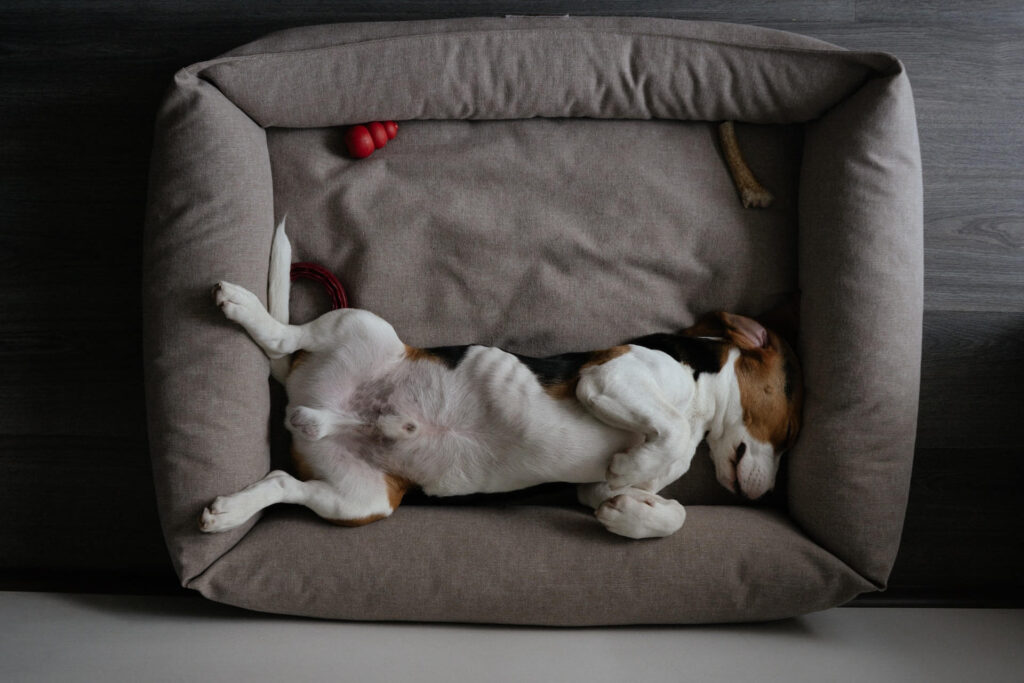
If you’ve ever watched your dog carefully choose where to nap, moving from room to room before finally settling down, you already know something important: animals are very sensitive to space. They don’t need to study Feng Shui to feel when a spot feels safe, calm, or uncomfortable.
That’s why your dog’s bed placement actually matters. Not in a rigid, rule-heavy way, but in a very practical, intuitive one. Feng Shui doesn’t treat pets as decorations. They’re living beings sharing your home’s energy, and where they rest influences how settled, relaxed, and secure they feel.
Where to Place Your Dog’s Bed According to Feng Shui
The best place for a dog bed is somewhere your dog can relax without feeling isolated or overstimulated. In Feng Shui terms, this means a spot that feels protected, predictable, and grounded. A corner of the living room or family room often works well. Along a wall is even better. Dogs tend to feel calmer when their back is supported and they can see what’s happening in the room without being right in the middle of it.
Try to avoid placing the bed:
- directly in front of the front door
- in a busy hallway
- in the center of the room
- under a window with drafts or constant outside movement
These areas keep energy moving too much, which can make rest shallow or restless.
Contrary to what you might read elsewhere, Feng Shui doesn’t assign strict lucky or unlucky compass directions for dog beds. North, south, east, or west are all fine. What matters far more is whether the spot feels calm, stable, and consistent.
If you live in a small space, you can create a sense of separation by placing the bed near a plant, a low shelf, or even a piece of furniture. This gives your dog a feeling of having their own territory without cutting them off from you.
The Feeling of Safety Comes First
From a Feng Shui perspective, dogs thrive when they feel included but not overwhelmed. A bed tucked away in a quiet corner can work beautifully for anxious or older dogs. More social dogs often prefer a spot where they can see you and keep an eye on the room.
If your dog constantly avoids their bed, that’s information. Feng Shui always starts with observation. Sometimes the placement simply doesn’t feel right to them, even if it looks good to us.
Feng Shui Colors for Your Dog’s Bed
In Feng Shui, color influences mood and nervous system response, which applies to animals just as much as people.
Earthy, natural tones tend to work best for most dogs. Beige, brown, soft gray, olive, and muted greens create a grounded, calming effect. These colors help the bed feel like a place to rest, not a place to stay alert.
Blue tones can be helpful for anxious or highly energetic dogs. Deeper blues and muted navy shades are more soothing than bright or icy blues, which can feel overstimulating.
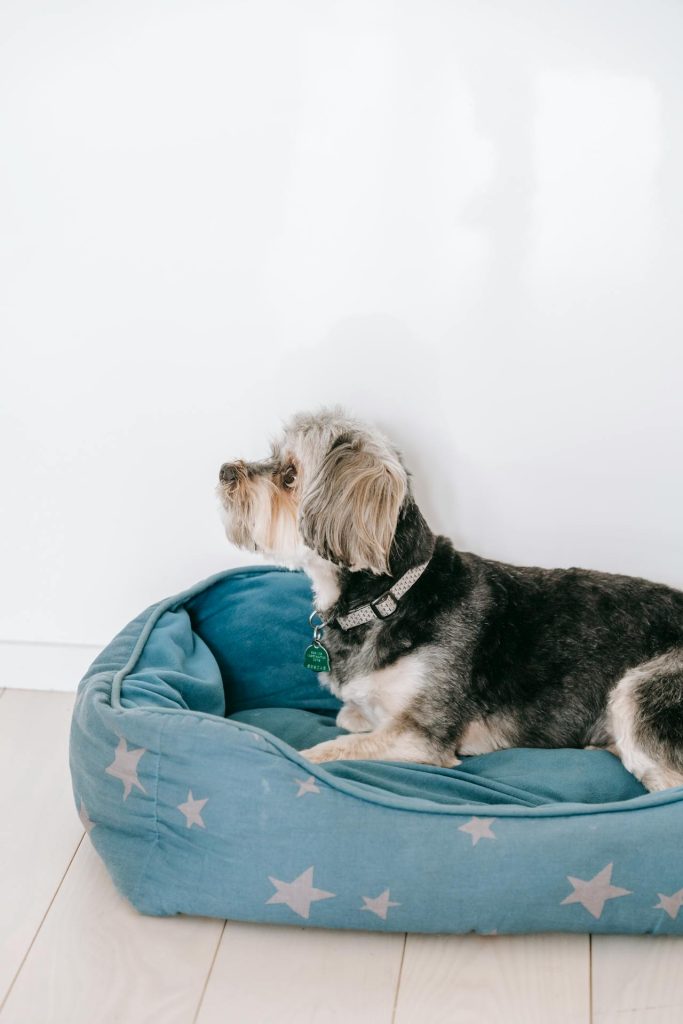
Green is another solid choice. It connects to balance, recovery, and calm growth. Sage, forest green, or soft teal often work well, especially in living spaces.
Bright reds and very bold patterns are usually not ideal for a sleeping area. Red is stimulating energy. For some dogs, it can increase restlessness or tension. This doesn’t mean red is forbidden, but it’s better used in toys or collars than in a bed meant for rest.
Black isn’t “bad,” but it can feel heavy if overused. If your dog’s bed is black, balance it with lighter surroundings.
Matching the Bed to the Home
One simple Feng Shui guideline is cohesion. A dog’s bed shouldn’t feel visually disconnected from the rest of the room. When the bed blends naturally into the space, the energy feels smoother for everyone.
This doesn’t mean your dog needs designer furniture. It just means choosing something that doesn’t clash harshly with the room or draw unnecessary attention.
What Really Matters Most
Feng Shui isn’t about forcing rules onto your dog. It’s about creating conditions where rest comes easily.
A good dog bed placement:
- feels protected, not exposed
- isn’t constantly disturbed
- allows your dog to observe without guarding
- supports deep rest
If your dog sleeps soundly, settles quickly, and returns to their bed on their own, you’re doing it right. Feng Shui always confirms itself through lived experience.
Comfort Comes Before Rules
Your dog’s bed doesn’t need perfect placement or a specific color to bring good Feng Shui into your home. It needs thoughtfulness.
When you choose a calm location, avoid high-traffic zones, and pick colors that support rest rather than stimulation, you’re already working in harmony with Feng Shui principles.
Your dog will tell you the rest.
Read also (for cat owners): Feng Shui tips for litter box placement