


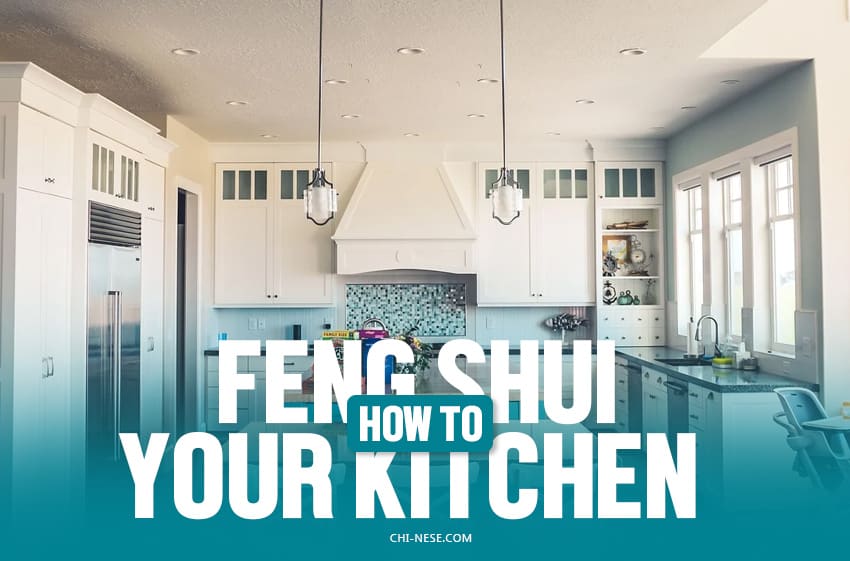
The kitchen plays a bigger role in daily life than most people realize. It’s where food is prepared, routines repeat, and energy is used and restored several times a day. In Feng Shui, the kitchen is approached in a practical way. How it’s laid out, maintained, and used affects how supported and nourished you feel over time.
A Feng Shui kitchen doesn’t need to be perfect or expensive. What matters is whether it feels functional, calm, and easy to move through. When a kitchen works well, cooking feels less draining, meals feel more grounding, and the space supports consistency rather than stress.
Why the Kitchen Matters in Feng Shui
In Feng Shui, the kitchen is closely tied to physical health, stability, and resources. It’s one of the three most important spaces in the home, along with the bedroom and bathroom. These areas shape how well you rest, how well you eat, and how well you recover.
A kitchen that feels cluttered, dark, or chaotic often mirrors irregular routines, rushed meals, or a lack of energy by the end of the day. When the kitchen feels clear and balanced, daily life usually feels smoother too.
Cleanliness and Decluttering Come First

Before changing colors or rearranging furniture, start with the basics. A Feng Shui kitchen must be clean and functional.
Clear out expired food, duplicate tools you never use, chipped dishes, and anything broken. Sticky shelves, overcrowded drawers, and overflowing counters create constant visual noise. That noise adds up over time and makes the kitchen feel tiring instead of supportive.
Pay attention to the trash as well. An open trash bin left in plain sight tends to pull energy downward. Ideally, trash should be stored in a closed cabinet and emptied regularly. Recycling should have its own designated spot so it doesn’t spill into the rest of the space.
For many people, ease of cleaning comes down to surfaces. That’s why selecting the best kitchen counter top material can make a noticeable difference. When countertops are durable, easy to maintain, and suited to daily use, the kitchen stays cleaner with less effort, which supports smoother flow overall.
The Stove: The Most Important Feature
In Feng Shui, the stove represents nourishment and resources. It’s less about wealth symbolism and more about how consistently and comfortably you feed yourself.
The stove should feel protected and stable. Cooking with your back to the door often creates tension, even if you don’t consciously register it. If possible, position the stove so you can see the entrance, either directly or via a reflective surface like a backsplash.
A stove that’s rarely used, dirty, or partially broken weakens its role in the space. All burners should work. Grease buildup should be cleaned regularly. This isn’t about perfection. It’s about care and function.
Stove and Sink: Fire and Water Balance

The relationship between the stove and the sink matters because they represent opposing elements. Fire and water placed directly next to each other can create friction in the layout.
If your kitchen allows for separation, a bit of counter space between them helps. If not, balance can be created through materials. Wood cutting boards, plants, or ceramic items between the sink and stove act as a buffer and help the space feel calmer.
The goal isn’t strict rules. It’s reducing tension in the area where most daily activity happens.
Layout and Flow
A Feng Shui kitchen supports smooth movement. You should be able to move easily between the stove, sink, fridge, and prep areas without squeezing past obstacles.
The classic work triangle works well not because of Feng Shui theory, but because it reduces unnecessary steps and strain. When movement feels efficient, cooking becomes less stressful and more enjoyable.
Avoid overcrowding the kitchen with furniture, oversized islands, or decorative pieces that block pathways. Clear movement allows energy to circulate without getting stuck.
Choosing Colors That Support Balance
Color sets the tone of the kitchen long before you start cooking.
Blues and soft greens help balance the heat of the stove and create a calmer atmosphere. They work especially well in kitchens that feel overly warm or busy.
Warm tones like soft yellow, beige, and muted gold support comfort and appetite. They tend to work well in kitchens that feel cold or impersonal.
Red and orange can energize the space, but they’re best used sparingly. Too much fire energy can make the kitchen feel overwhelming.
Black can look elegant, but it often needs extra light and natural materials to avoid feeling heavy or isolating. Wood cabinets, wooden stools, or warm lighting help soften it.
Light and Visibility
Light plays a major role in how a kitchen feels. Dark corners, shadowy counters, and poor overhead lighting create stagnation.
Natural light is ideal, but when that’s limited, layered lighting helps. Under-cabinet lights eliminate dark work areas. Warm-toned bulbs create a more welcoming feel than harsh white light.
Mirrors can be used carefully to reflect light, but they should never reflect clutter, trash, or chaotic areas.
Plants, Herbs, and Fresh Food

Plants bring life into the kitchen when chosen thoughtfully. Herbs like basil, rosemary, mint, or thyme work especially well because they’re both functional and alive.
Place them near windows where they get enough light. A neglected or dying plant does more harm than good, so choose only what you can realistically care for.
Fresh fruit on the counter adds color and signals nourishment and abundance. Citrus fruits in particular bring brightness and energy into the space.
Storage and Surfaces
Counters should be mostly clear. Keeping only frequently used items visible helps the kitchen feel open and usable.
Store heavy items low and lighter items higher to create visual balance. Cabinets that close properly and drawers that glide smoothly contribute more to good Feng Shui than decorative cures.
Materials matter too. Natural stone, wood, and quality surfaces tend to feel more grounding and durable, supporting long-term use.
Why This Room Shapes the Whole Hom
A Feng Shui kitchen isn’t about copying a layout or following strict formulas. It’s about creating a space that supports daily nourishment without friction.
When the stove works, the sink is balanced, the layout flows, and the space is clean and well-lit, cooking becomes easier. Meals feel more intentional. The kitchen stops draining energy and starts giving something back.
You don’t need a full renovation. Small adjustments often change how the space feels very quickly. And when the kitchen works, the rest of the home tends to follow.