


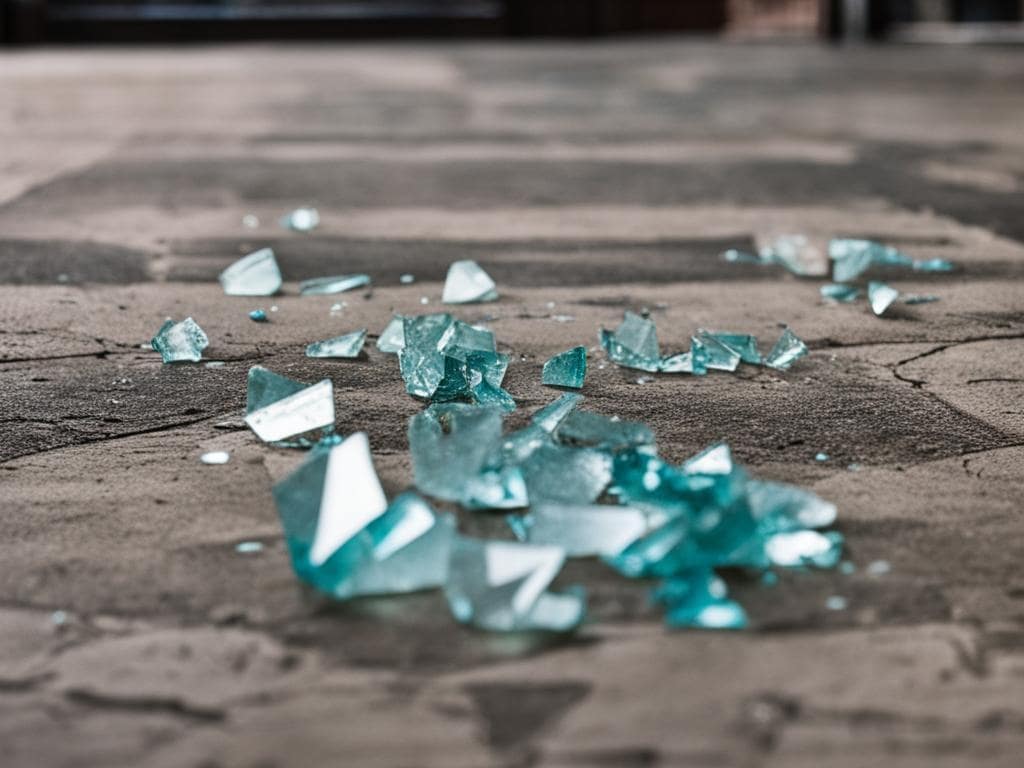
A wine glass slips from your hand. A mirror cracks at the worst possible moment. Broken glass is inconvenient and hard to ignore. In Feng Shui, it isn’t treated as a sign of fate or luck, as in some Western superstitions. It’s viewed as a disruption in function and flow that’s worth paying attention to, especially if it happens repeatedly or in a meaningful place.
Not every broken glass object carries meaning. Accidents happen. But when breakage feels oddly timed or keeps occurring in the same area, Feng Shui looks at what might be creating strain in that part of the home or daily life.
The Meaning of Broken Glass in Feng Shui
In Feng Shui, glass represents clarity, reflection, and connection between spaces. When glass breaks, it usually points to pressure, imbalance, or wear that has gone unnoticed for a while.
This doesn’t necessarily mean something bad is about to happen. It often suggests that something in the environment or routine isn’t working as smoothly as it should. Stress builds up. Maintenance gets delayed. Emotional tension lingers. Eventually, something gives.
Broken glass is less about symbolism and more about feedback. It highlights areas that may need adjustment, whether that’s your environment, habits, or the way a space is being used.
Sometimes the solution is simple. Better lighting. Fewer fragile items in high-traffic areas. Clearing clutter. Other times, it’s about addressing ongoing stress or friction connected to that space.
Why Location Still Matters
Feng Shui pays attention to where things happen, because different areas of the home support different aspects of daily life. When glass breaks in a certain location, it can point to where strain is showing up.

In the Entryway
Broken glass near the front door often relates to movement and direction. The entryway represents transitions. When things break here, it can reflect feeling unsettled, distracted, or pulled in too many directions at once.
It may be worth simplifying this area. Clear obstacles. Improve lighting. Make coming and going feel smoother and less rushed.
In the Living Room
The living room is a shared space tied to interaction and social balance. Broken glass here can reflect tension, overstimulation, or lack of rest.
If this happens, look at how the room is used. Is it overcrowded? Noisy? Visually busy? Adjusting furniture layout, removing excess items, or softening lighting can help restore ease.
In the Bedroom
Glass breaking in the bedroom often points to exhaustion or mental overload. Bedrooms are meant for recovery. Fragile decor, mirrors placed without thought, or clutter near the bed can contribute to restless energy.
This is usually a sign to simplify. Reduce stimulation. Prioritize rest and practical comfort over decoration.
What to Do When Glass Breaks
Feng Shui is practical first. What you do after the break matters more than interpreting it.
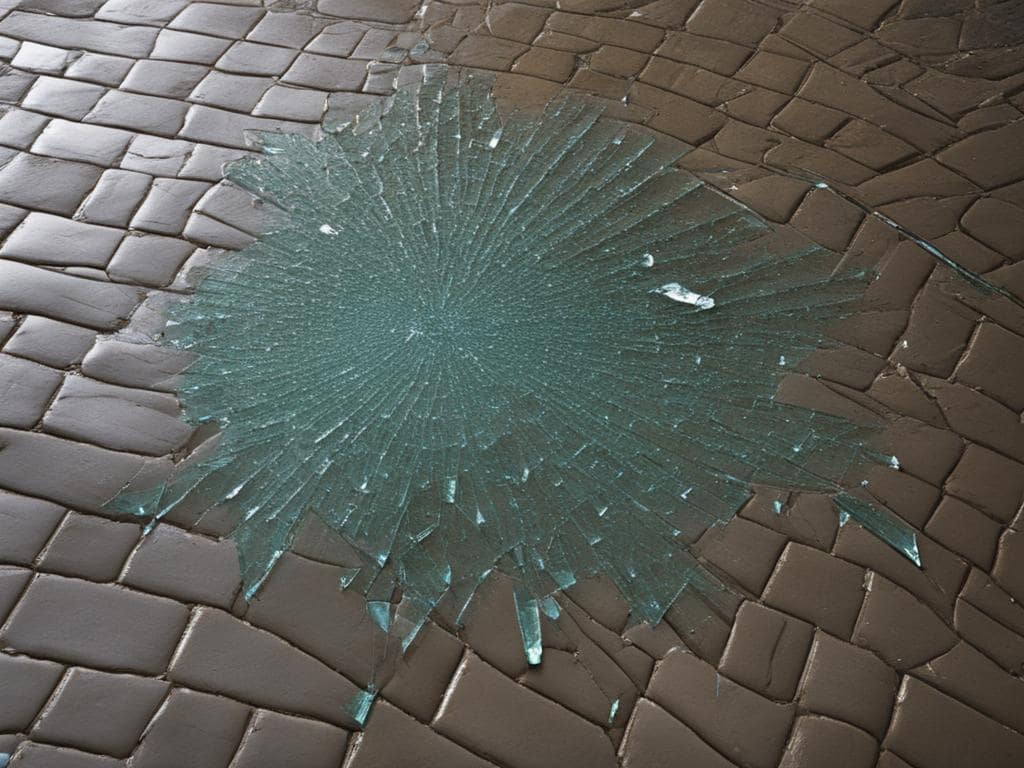
Clean It Up Immediately
Broken glass should be removed right away, carefully and thoroughly. This isn’t ritual. It’s about safety and restoring order. Leaving broken items around creates tension, both physically and mentally.
Consider What Broke
Look at the object itself. Was it purely decorative? Functional? Something you rarely use? Items that break often reveal design or placement issues rather than symbolic ones.
For example:
- A mirror that breaks may have been poorly placed or under constant stress.
- A glass table in a narrow walkway may simply not belong there.
- A fragile vase in a busy area is likely to break eventually.
Feng Shui favors environments that support daily life, not fight against it.
Look at What Was Happening Around It
Were you rushed, distracted, stressed, or tired? Context matters. Breakage often happens when attention is divided or routines are overloaded. This doesn’t mean blame. It’s about noticing patterns.
What to Avoid Afterward
Avoid keeping cracked or chipped glass “for now.” Damaged items continue to interrupt visual and physical flow. Repair them properly or replace them.
Also avoid overcorrecting by reading too much into a single accident. Feng Shui works best when it stays realistic and grounded.
When Something in the Space Is Under Pressure
Broken glass doesn’t predict change. It reflects strain. Sometimes it points to clutter. Sometimes to poor placement. Sometimes to mental overload. The value of Feng Shui here is not in assigning meaning, but in encouraging adjustment before discomfort builds further.
My advice is simple. Treat broken glass as a cue to restore balance in a practical way. Fix what’s worn. Remove what doesn’t work. Simplify where possible. Homes function best when they support real life, not when they’re filled with fragile symbols.
When the space feels calmer and more functional, clarity tends to follow naturally.