


Breaking ground for a new house marks the first physical interaction with the land that will carry your daily life, your rest, and your future. In Feng Shui, this moment holds weight because it defines when the home truly begins. A groundbreaking ceremony helps set timing, attention, and intention before any structure takes shape, establishing a conscious relationship with the place that will hold the house.
Why a Feng Shui Groundbreaking Ceremony Matters
In Feng Shui, land isn’t neutral. Every plot carries a history and an energetic “mood,” whether visible or not. A groundbreaking ceremony acts as a formal introduction. You’re letting the land know who you are, why you’re here, and what you intend to build.
This moment is traditionally used to:
- Acknowledge the land and its existing energy
- Clear residue from previous use or long-term stagnation
- Set intentions for safety, stability, and continuity
- Reduce disruptions during construction
Skipping the ceremony doesn’t doom a house. But doing it thoughtfully can make the entire building process feel smoother, calmer, and more grounded from the start.
Step 1: Choosing the Right Time (This Matters More Than People Think)

In Feng Shui, timing isn’t symbolic. It’s practical. An auspicious date helps align the project with supportive energy rather than resistance. Traditionally, dates are chosen using a Chinese almanac (Tong Shu) and matched to the homeowner’s Chinese zodiac.
A few widely followed guidelines:
- Avoid days that clash with the homeowner’s zodiac sign
- Favor days marked for beginnings, construction, or earth work
- Early morning is preferred, especially between 7 and 9 a.m., known as the Dragon Hour
This isn’t about luck in a magical sense. It’s about avoiding friction. Projects started on well-chosen dates tend to encounter fewer delays, conflicts, and safety issues.
Step 2: Preparing and Cleansing the Land
Before digging begins, the land is prepared energetically, not just physically.
Offerings to the Earth
A simple altar is traditionally set up at the site. This doesn’t need to be elaborate. Common offerings include incense, fresh fruit, tea, uncooked rice, and symbolic paper offerings.
The intention is acknowledgement, not appeasement. A short spoken intention or prayer is enough. Many people simply express gratitude and state their wish for a stable, peaceful home.
Clearing Residual Energy
One of the most common practices is walking the perimeter of the land while sprinkling a mixture of salt and uncooked rice. This helps neutralize stagnant energy, especially on land that’s been unused, neglected, or previously built on.
Some traditions also include coins or red dates, but simplicity is often more effective than excess.
Step 3: The First Dig
Who digs and how is more important than people expect.
Traditionally, the head of the household takes the first dig, or someone with strong physical and emotional presence. The shovel is ideally new and clean. Red or gold handles are preferred, but not required.
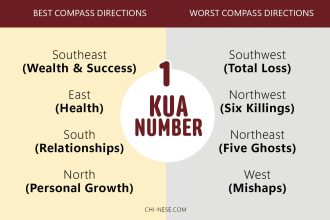
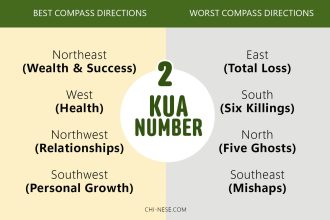
The direction of the first dig is chosen based on the homeowner’s favorable directions (often calculated using the Kua number).
One lesser-known detail: the shovel is angled slightly rather than pushed straight down. This symbolizes allowing prosperity and stability to grow naturally instead of forcing outcomes.
Step 4: Placing Items in the Foundation (Only If Appropriate)
Some Feng Shui traditions include placing symbolic items into the foundation. This is optional and should always be cleared with the builder.
Common items include:
- Five Emperor coins for protection and stability
- Natural crystals such as jade or quartz for grounding
- A red cloth with written intentions or blessings
The purpose isn’t decoration. These items are meant to anchor intention into the structure itself.
Step 5: What You Do After the Ceremony Matters Too

Feng Shui doesn’t stop once the ritual ends.
Sharing food with family or workers afterward is a traditional way to anchor abundance and cooperation. Keeping conversations calm and respectful on the site sets a tone that often carries through the entire project.
Many people also tie red ribbons to tools or machinery as a symbolic gesture of protection, especially during early construction phases.
Common Mistakes People Make
One common mistake is ignoring the land’s history. If the site was previously a place of conflict, illness, or long-term abandonment, additional cleansing may be helpful.
Another is poor timing. Starting construction during Hungry Ghost Month (usually August) is traditionally avoided, as this period is associated with unsettled energy and higher risk.
Finally, no ceremony can compensate for poor orientation. The direction of the front door and the home’s layout still matter deeply in Feng Shui.
Building With Awareness, Not Fear
A Feng Shui groundbreaking ceremony isn’t about controlling outcomes. It’s about beginning with awareness and respect.
You’re not asking for perfection. You’re asking for cooperation between you, the land, and the structure you’re about to create together.
When a home begins this way, it tends to feel rooted, steady, and supportive long after construction ends.