


Last month, I was talking with a woman who shared a story that made us both laugh and think at the same time.
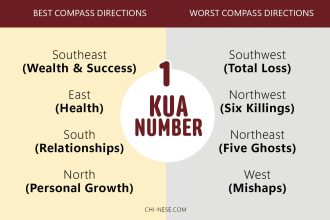
She had once placed a small money box in the southeast corner of her apartment after reading about Feng Shui. Within a few weeks, her Etsy shop selling knitted dog clothes started picking up. Orders came in more steadily. Nothing extreme. Just… smoother.
Later on, she ended up in the hospital for a while. During that time, her daughter cleaned the apartment and, without thinking much of it, removed the money box. Shortly after that, the orders slowed down and then stopped altogether.
We joked about it. “Well, that’s exactly what happens when you do that,” she said, half-laughing. And then, still joking, she added, “What if Feng Shui is evil?”
The joke stuck with me.
Not because I believe Feng Shui punishes people, but because that question comes up more often than you’d think.
Where the “Evil” Idea Comes From
Feng Shui has been around for thousands of years, and anything that old tends to collect misunderstandings along the way. When people see patterns they can’t easily explain, they sometimes jump straight to fear.
If something “works,” it must be magic.
If it stops working, it must be punishment.
If it affects money, relationships, or health, it must be dangerous.
That’s how Feng Shui ends up labeled as evil, occult, or manipulative. In reality, it’s much more boring and much more practical than that.
Feng Shui Isn’t Doing Anything To You
Feng Shui is an old Chinese system focused on how environments affect people. That’s it.
It looks at things like:
- where you sleep
- how light moves through a room
- whether spaces feel blocked or open
- how clutter builds up
- how different elements interact
None of that is mystical on its own.
If your bed is positioned poorly, you sleep worse.
If your space is cramped and chaotic, you feel tense.
If a room flows well, you relax more easily.
That’s not evil. That’s cause and effect. Feng Shui doesn’t do things to people. It reflects what’s already happening and either supports it or makes it harder.
It’s Not Magic or Occult Practice
This part matters, because it gets mixed up constantly.
Feng Shui isn’t spell work. It’s not fortune telling. It doesn’t summon anything.
Traditional Chinese culture does include spiritual layers, but modern Feng Shui is mostly about flow, balance, and placement.
The idea of chi is often misunderstood. It’s not some spooky force floating around. It’s closer to the concept of movement, vitality, and interaction. How things circulate. How energy builds or drains.
When people say Feng Shui “attracts” something, what they usually mean is that a space stops working against you.
Why It Sometimes Feels Like It “Worked”
Back to the money box story.
Did removing it magically stop her Etsy orders? Probably not in a literal sense.
But symbols matter psychologically. Routines matter. Attention matters.
When she placed the money box, she became more aware of her finances, her shop, her habits. When it disappeared, that awareness faded too. The space changed. The focus changed. Feng Shui often works like that. It doesn’t replace effort. It reinforces it.
It’s Not a Rigid Rulebook
Another reason Feng Shui gets a bad reputation is because people treat it like law.
Paint this wall or else.
Never put that object there.
If you break a rule, something bad will happen.
That’s not how Feng Shui is meant to be used.
It’s flexible. It’s contextual. It adapts to real life.
You don’t need to redesign your entire home or follow every guideline perfectly. You observe how your space feels and make adjustments that support you instead of stressing you out. If something feels better after a change, that’s the point.
It Won’t Fix Everything for You
This is important to say clearly.
Feng Shui won’t:
- fix a failing relationship
- solve debt on its own
- heal illness
- replace real decisions
What it can do is remove friction.
It can help you rest better.
It can make workspaces feel clearer.
It can reduce mental noise.
From there, you still have to act.
So… Is Feng Shui Evil?
No. Feng Shui isn’t evil, manipulative, or dangerous. It doesn’t control outcomes or punish mistakes. It’s a system that looks at how space affects people. When used thoughtfully, it makes life feel less heavy. When misunderstood, it gets blamed for things it never claimed to do.
The irony is that Feng Shui works best when you stop being afraid of it. It’s not meant to control your life. It’s meant to work with it.