

Some relationships feel exhausting from the start. The attraction is strong, the connection intense, but peace never really settles in. Arguments repeat, emotional wounds reopen, and both people feel changed by the relationship in ways they can’t fully explain.
In astrology, these patterns often show up clearly in synastry. Certain planetary contacts don’t just create tension. They pull unresolved fears, control issues, and shadow material to the surface. This does not mean the relationship is doomed, but it does mean awareness matters.
Here are some of the most common synastry aspects found in relationships that feel emotionally heavy, controlling, or psychologically draining.
Saturn Square Venus
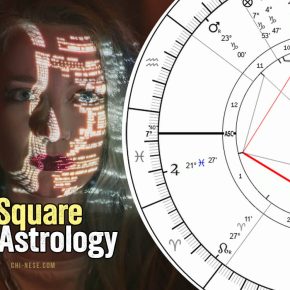
Saturn square Venus is a classic aspect of emotional limitation. Venus seeks affection, warmth, and ease in giving and receiving love. Saturn introduces restraint, expectations, and emotional pressure.
In synastry, this often shows up as one partner feeling constantly evaluated. The Saturn person may not intend to withhold love, but their caution, seriousness, or emotional distance makes affection feel conditional. The Venus person ends up questioning themselves, wondering whether they are doing enough, loving correctly, or meeting invisible standards.
Jealousy and insecurity tend to grow quietly here, especially when the Venus person feels they have to earn closeness instead of simply receiving it. Over time, the relationship can start to feel unbalanced, even if both people genuinely care.
This is not toxicity in the obvious sense of manipulation or obsession. It is quieter than that. The harm comes from repetition. The Venus person keeps trying harder, adjusting themselves, proving their worth, until love begins to feel like work. That slow erosion of emotional safety is where this aspect becomes damaging.

Mars Opposition Pluto
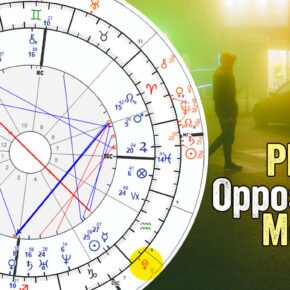
Mars opposite Pluto is a raw power struggle. Neither person wants to yield, and both feel threatened when they lose control.
Arguments escalate quickly, not because of the topic, but because dominance is at stake. Jealousy, manipulation, and emotional pressure are common. One partner may provoke, the other retaliates, and the cycle feeds itself.
This aspect often pulls out behavior neither person recognizes in themselves. Anger becomes personal. Winning becomes more important than understanding.
Moon Square Moon
Moon square Moon does not mean lack of care. It means emotional languages clash.
What feels comforting to one person can feel invasive or dismissive to the other. Reactions are easily misread. Emotional timing rarely aligns.
Over time, both partners may feel unseen or emotionally unsafe, even when they are trying. This aspect requires constant emotional translation, and without effort, resentment builds.
Neptune Square Sun
Neptune square Sun creates confusion around identity and intention. One person may project fantasies onto the other, while the Sun person feels misunderstood or misrepresented.
Promises blur. Boundaries weaken. Conversations feel circular. The Sun person may feel drained, while Neptune avoids direct confrontation.
This dynamic often includes disappointment, because reality never fully matches expectation. Trust erodes slowly through confusion rather than conflict.
Venus Square Uranus
Venus square Uranus brings instability. Attraction is strong, but consistency is not.
One partner craves closeness, the other space. Sudden changes in behavior, emotional detachment, or unexpected decisions can leave the relationship feeling unpredictable.
This aspect thrives on excitement but struggles with emotional security. Control issues arise when one person tries to anchor something that resists being held.
Lilith Contacts That Create Psychological Tension

Lilith in synastry is often underestimated, yet it is one of the most revealing indicators of toxic dynamics.
Lilith conjunct Moon can create emotional manipulation, unspoken power games, and intense emotional reactions. The Moon person feels exposed and emotionally controlled, while the Lilith person may provoke reactions without fully acknowledging responsibility. This contact often brings mind games, emotional testing, and deep insecurity.
Lilith conjunct Saturn is especially heavy. It can feel like toxicity that never truly lifts. Saturn restricts, Lilith rebels, and both lock each other into cycles of resentment and punishment. The relationship may feel fated, exhausting, and difficult to escape emotionally.
Lilith conjunct Ascendant often brings projection and obsession. One person becomes the embodiment of the other’s shadow. Attraction mixes with discomfort, fascination with judgment. This contact can create dynamics where neither person feels fully seen, yet neither can let go easily.
Pluto Hard Aspects to Personal Planets
Hard Pluto aspects in synastry intensify everything they touch. Pluto to Sun often creates dominance issues and identity struggles. Pluto to Venus brings obsession, jealousy, and emotional control. Pluto to Mars fuels constant conflict and power battles. Pluto to Moon drains emotional energy through insecurity and control. These relationships change people. That is their nature. Without awareness, they often do so painfully.
When the Same Dream Turns Into a Loop
Toxic synastry does not mean a relationship is doomed. It means certain emotional themes keep replaying until they are consciously recognized.
Astrology does not dictate outcomes. It maps patterns. When a relationship feels like you are stuck in the same emotional cycle, having the same arguments with different wording, the chart often shows why those dynamics keep resurfacing.
Awareness is usually the turning point. Squares point to ongoing challenges that require effort, oppositions heighten tension and polarity, and conjunctions can feel overwhelming because everything is concentrated in one place. When you understand which energies are being activated between you, the dynamic stops feeling random. You stop assigning blame blindly, whether toward yourself or the other person.
Once a pattern is clearly seen, it no longer controls the relationship in the same way. That moment of recognition is where real change becomes possible.