


If falling asleep feels harder than it should, you’re not imagining it. Sleep problems are incredibly common, and they don’t always come from one obvious cause. Stress, long days staring at screens, irregular schedules, seasonal light changes, or simply an overstimulated nervous system can all interfere with rest.
Many people look for solutions that don’t involve medication, especially when sleep issues come and go rather than being constant. That’s where your environment matters more than most people realize. What surrounds you before bed affects how your body winds down.
Houseplants won’t knock you out instantly, but certain ones can support a calmer, more sleep-friendly space. They improve air quality, influence humidity, and in some cases release scents or compounds linked to relaxation. Together, these small changes can make falling asleep feel less like a battle.
Below are five plants often associated with better sleep and why they’re worth considering.
Aloe Vera
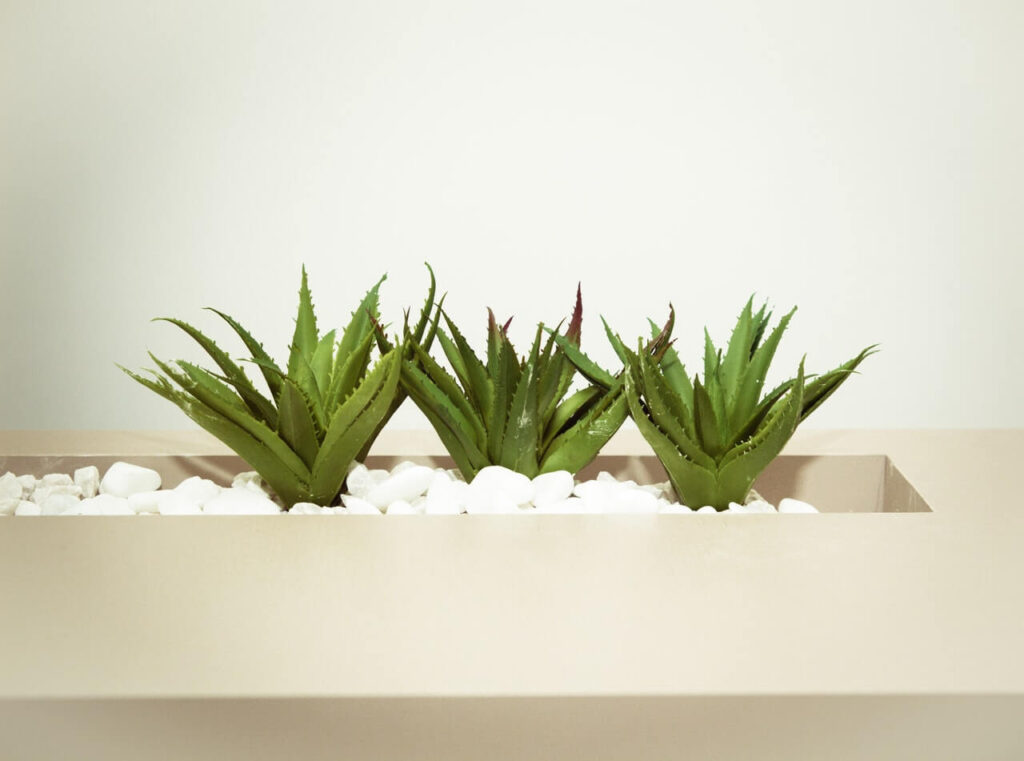
Aloe vera is best known for soothing burns and skin irritation, but it’s also a solid bedroom plant for practical reasons. It releases oxygen at night rather than during the day, which makes it a popular choice for sleeping spaces.
Aloe is low-effort and resilient. It doesn’t demand much water, thrives in indirect light, and doesn’t create mess or pollen that could interfere with breathing. For people who want a plant nearby without worrying about maintenance, aloe fits easily into daily life.
Beyond air quality, aloe has long been associated with healing and restoration. Even if you approach that symbolically rather than medically, its presence tends to support a calmer bedroom atmosphere that feels less cluttered and overstimulating.
Lavender
Lavender has a long-standing connection with rest and relaxation, and for good reason. Its scent contains compounds that have been studied for their calming effects on the nervous system.
Unlike candles or sprays, a live lavender plant offers a steady, natural aroma without overpowering the space. Placed near a window or bedside table, it provides a soft sensory cue that helps signal the body that the day is winding down.
Lavender also works well for bedtime routines. Many people associate its scent with evening habits like reading, bathing, or stretching. Over time, those associations matter. Your brain starts recognizing patterns, and that familiarity supports easier transitions into sleep.
If you choose lavender, make sure it gets plenty of light and isn’t overwatered. A healthy plant produces a cleaner, more pleasant scent than a struggling one.
English Ivy
English ivy is often recommended for bedrooms because of its ability to help reduce airborne irritants. Cleaner air can make breathing easier at night, especially for people sensitive to dust or dryness.
Visually, ivy brings a sense of softness and flow to a room. Its trailing leaves naturally break up harsh lines and sterile surfaces, which helps the space feel more relaxed and lived in.
English ivy doesn’t require much attention. It adapts well to different light conditions and doesn’t need constant care. That makes it suitable for bedrooms where plants are meant to support rest, not become another task on your to-do list.
Spider Plant
Spider plants are often recommended for beginners because they’re forgiving and durable. They’re also known for improving indoor air quality and releasing oxygen during the night.
Their long, arching leaves add movement and softness to a room without dominating it. Visually, they feel light rather than heavy, which works well in sleep spaces.
In folklore and cultural symbolism, spider plants are often linked to harmony and protection. Whether or not you connect with that meaning, many people report feeling more at ease in rooms where spider plants are present.
They’re also safe for most households and adapt well to shelves, hanging pots, or bedside placement.
Jasmine
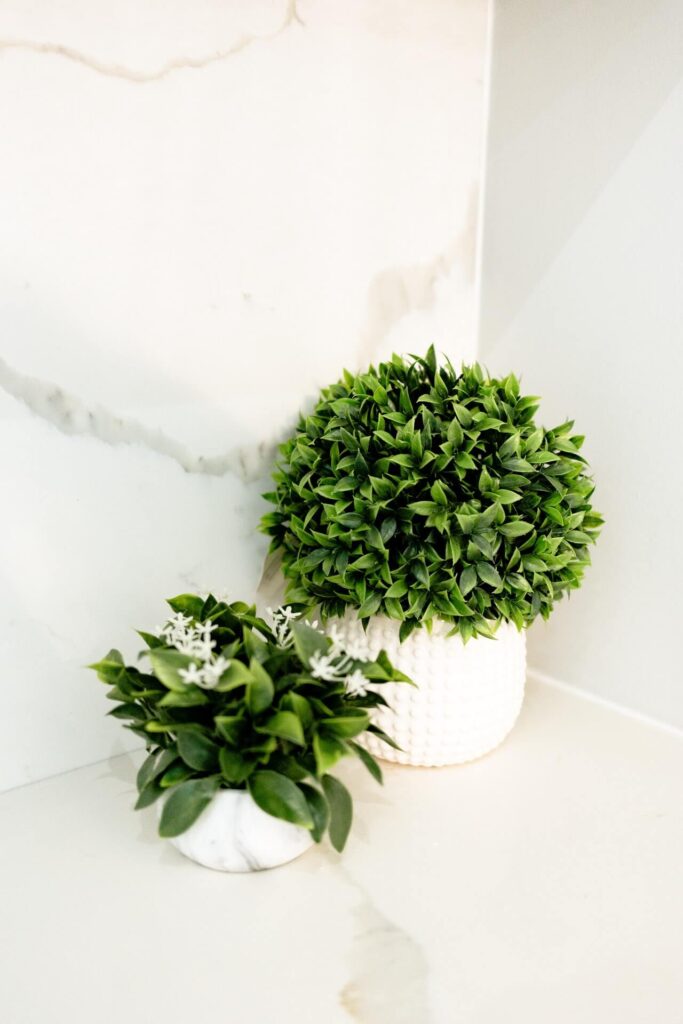
Jasmine is often associated with sleep because of its scent and its traditional use in calming rituals. Some studies suggest that jasmine aroma may support deeper rest by influencing stress-related hormones.
Unlike artificial fragrances, a jasmine plant offers a natural, layered scent that doesn’t overwhelm the room. Even a single plant can make a noticeable difference, especially if placed near where you sleep.
Jasmine also carries strong emotional associations. Many people link it to comfort, warmth, or safety, which can matter just as much as physical effects when it comes to sleep.
It does require a bit more care than some of the other plants on this list, but for those willing to give it attention, jasmine can become a meaningful part of a bedtime environment.
Creating a Sleep-Friendly Space With Plants
Plants work best when they’re part of a broader evening routine. They support rest rather than replace healthy sleep habits.
Keeping lighting low in the evening, reducing screen time before bed, and maintaining consistent sleep hours all amplify the effects plants can have. Together, these elements create an environment that feels supportive rather than stimulating.
Plants also improve how a room feels emotionally. A bedroom filled with living elements tends to feel calmer and more grounded than one filled only with furniture and electronics.
A Better Way to Wind Down
You don’t need to transform your bedroom into a jungle to benefit from plants. Even one or two carefully chosen ones can shift the atmosphere.
Whether you prefer aloe for its simplicity, lavender for its scent, or jasmine for its emotional associations, the goal is the same: creating a space that helps your body recognize when it’s time to rest.
Sleep doesn’t always improve overnight, but small environmental changes add up. Sometimes, rest begins not with effort, but with setting the right conditions and letting your body do the rest on its own.