


Sometimes you just feel that something is off with someone. Nothing obvious. No open conflict. Just small moments that don’t sit right. Mixed signals. Uneasy energy. And asking them directly might only make things worse.
This is where tarot can help. Not to accuse or jump to conclusions, but to understand what kind of role someone actually plays in your life and how careful you need to be around them.
These spreads are meant to help you read the situation clearly, without paranoia and without ignoring your instincts.
The Friend or Foe Tarot Spread (3 Cards)
This is a simple, direct spread when you want clarity fast.
Before pulling cards, focus on the person in question and keep your intention clear: What is their role in my life right now?
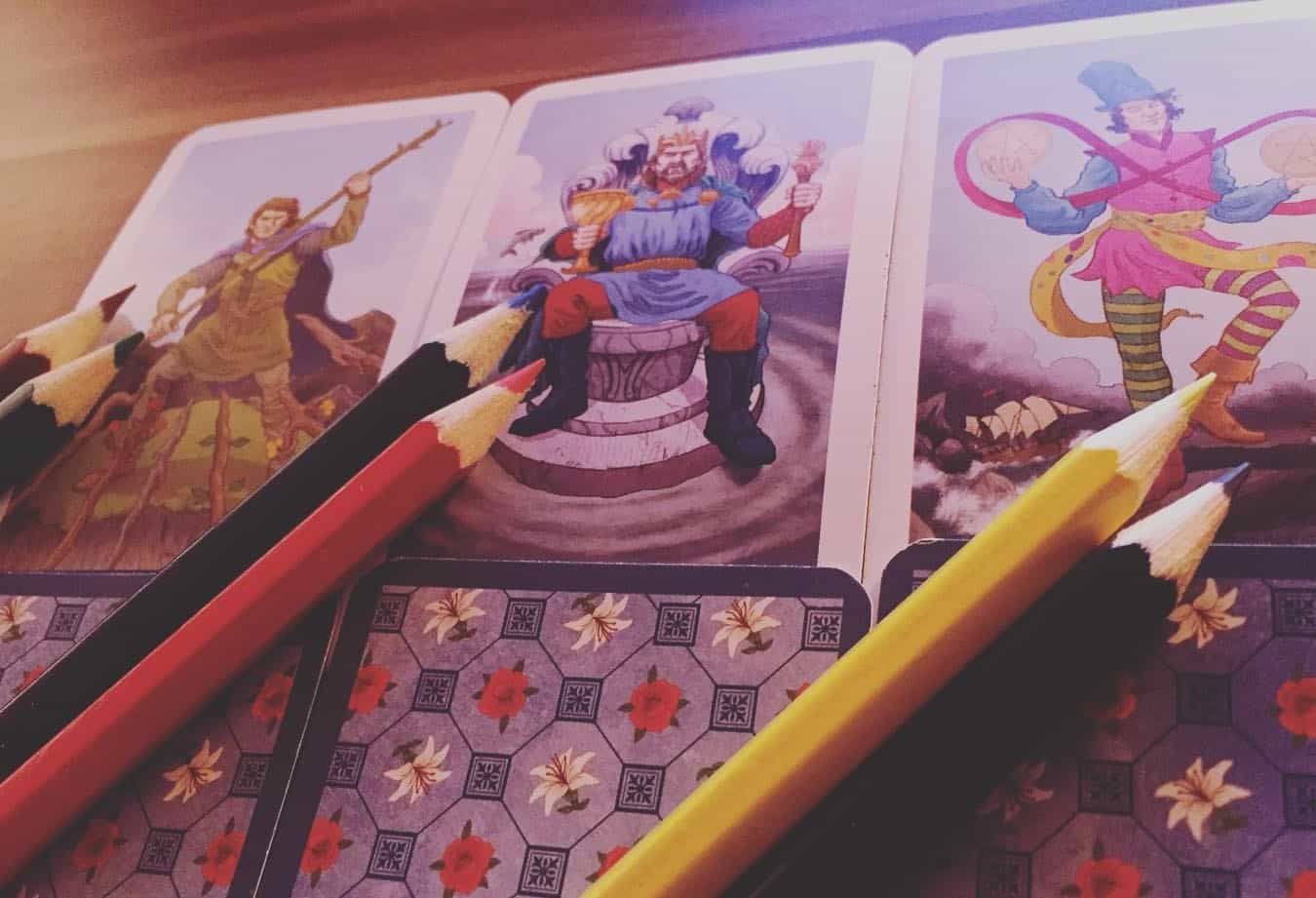
Lay out three cards from left to right.
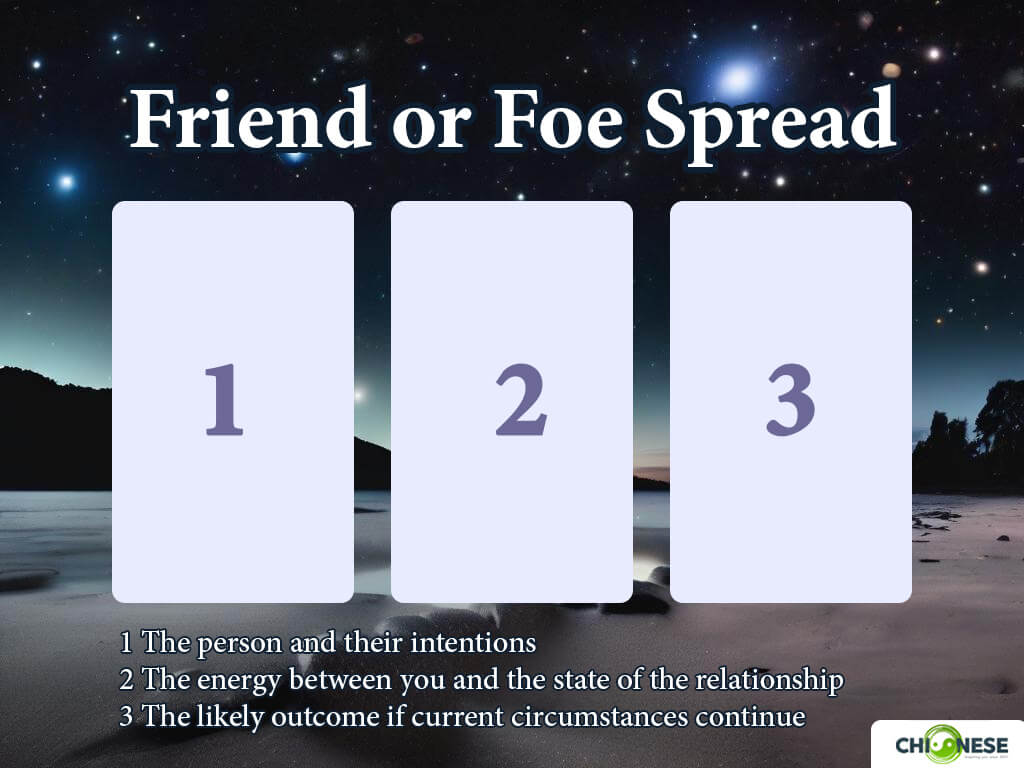
Card 1: The Person and Their Intentions
This card shows how the person is approaching you at this time. Look at the tone of the card rather than labeling it good or bad. Supportive energy usually feels open and steady. Dishonest or conflicting energy often feels tense or inconsistent.
Card 2: The Energy Between You
This card describes the connection itself. Is it cooperative, mutual, and balanced, or does it feel competitive, guarded, or draining? This position often reveals more than the person card alone.
Card 3: Where This Is Headed
The final card shows what happens if nothing changes. It doesn’t mean fate is locked in. It simply shows the direction the relationship naturally moves toward.
Read all three cards together. One uncomfortable card doesn’t automatically mean someone is against you. Patterns matter more than individual symbols.
The “Frenemy” Tarot Spread (5 Cards)
This spread is for situations where someone is close to you, but you’re not sure if the connection is supportive or subtly undermining.
Shuffle while focusing on the relationship itself, not just the person.
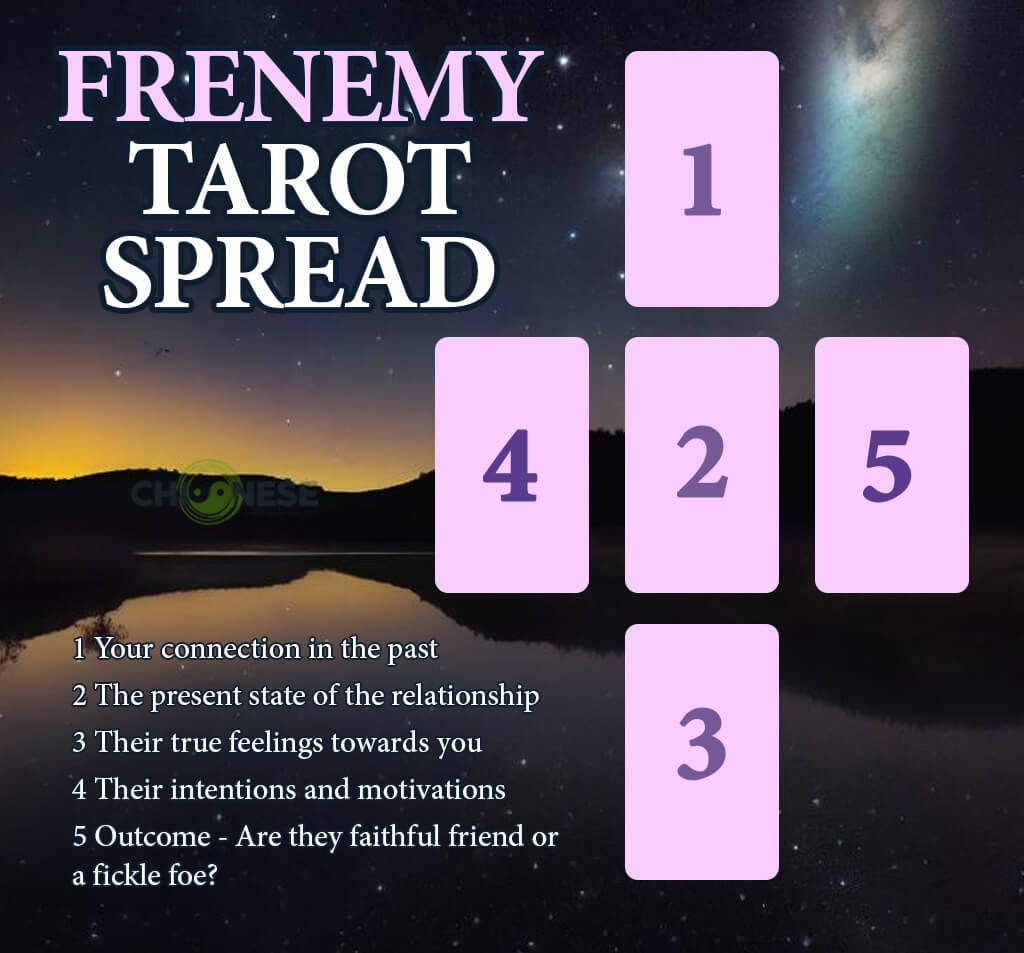
Lay out five cards.
Card 1: The Past of the Connection: How this relationship started and what originally brought you together.
Card 2: The Present Dynamic: What’s happening now beneath the surface.
Card 3: Their True Feelings Toward You: This card shows what they actually feel, not what they show.
Card 4: Their Intentions: This is where you see whether they act from honesty, insecurity, competition, or self-interest.
Card 5: Likely Direction: Where this connection goes if both of you stay the same.
Pay attention to patterns. Mixed cards often point to mixed motives. This doesn’t always mean someone is malicious, but it can mean they aren’t as aligned with you as you hoped.
The “Ally or Adversary” Tarot Spread (3 Cards)
This spread focuses less on emotion and more on impact.
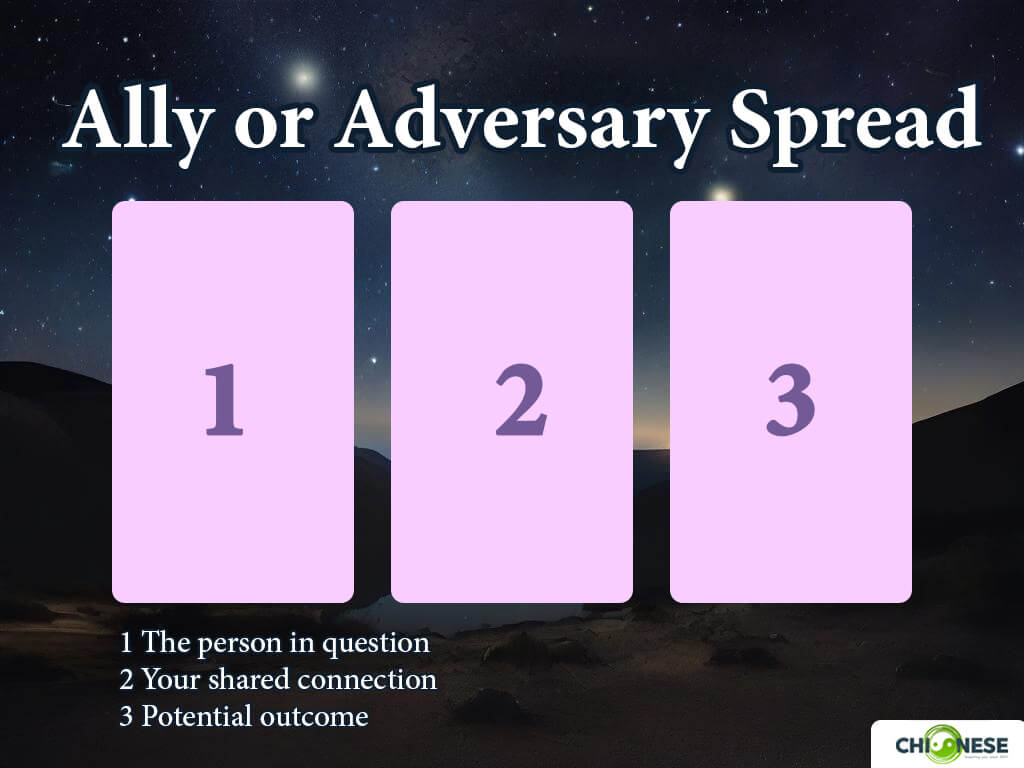
consistent, and grounded, or unpredictable and self-serving?
Card 2: How They Affect Your Life: This position is crucial. Even if someone doesn’t mean harm, the effect they have on you matters more than intent.
Card 3: What Happens If You Stay Engaged: This card shows the long-term effect of keeping this person close.
This spread is especially useful in work environments, group settings, or situations where direct confrontation isn’t possible or wise.
How to Read These Spreads Without Overreacting
Tarot isn’t here to label people or tell you to blow up relationships on the spot. If a spread shows tension or weird dynamics, it doesn’t mean you have to cut someone off immediately. It usually means you should slow down, pay attention, and maybe stop giving them so much access to you.
If the cards keep showing dishonesty, competition, or that drained feeling, don’t rush into confrontation. Watch how the person behaves. Keep your distance where needed. Share less. Let their actions tell you what you need to know.
At the end of the day, tarot should support your instincts, not replace them. What you notice in real life still matters more than any card on the table.
What These Spreads Are Really For
These spreads aren’t about labeling people as “good” or “bad.” They’re about understanding who you can trust, who needs limits, and who doesn’t deserve access to your energy. Sometimes the answer isn’t friend or foe. Sometimes it’s simply not safe to be close. And that awareness alone can change everything.