


Most people don’t think about their wallet until it’s falling apart or overflowing. It’s treated as a container, not a space. In Feng Shui, a wallet is one of the few objects that directly holds your money every single day. How it’s treated shapes how money is handled, managed, and approached in daily life.
The focus is on order, intention, and consistency. A wallet that’s cared for tends to support clearer financial habits, while a neglected one often goes hand in hand with scattered decisions and unnecessary stress around money.
Why the Wallet Matters in Feng Shui
Feng Shui works with the idea that everyday environments influence behavior. Since your wallet travels with you and is opened frequently, it becomes a constant point of contact with your finances.
A wallet that’s damaged, stuffed with paper, or difficult to use can reinforce disorder. A clean, well-organized wallet supports awareness, respect for resources, and a calmer approach to spending and saving. Over time, those habits matter far more than any symbolic gesture.
How Often to Reset Your Wallet
Maintenance is part of the process. You don’t need rituals or schedules carved in stone, but regular attention keeps things functional.
Once a month, empty your wallet completely. Remove old receipts, expired cards, unused coupons, and anything that doesn’t serve a clear purpose anymore. This keeps things current and prevents buildup.
Once a year, assess the wallet itself. If it’s torn, stiff, stained, or no longer closes properly, it’s time to replace it. Holding onto a worn-out wallet often mirrors holding onto outdated financial patterns.
Some people like to keep a small stone associated with abundance, such as citrine or pyrite, inside their wallet. Not as a promise of money, but as a physical reminder to stay focused and intentional.
Choosing a Wallet Color With Purpose
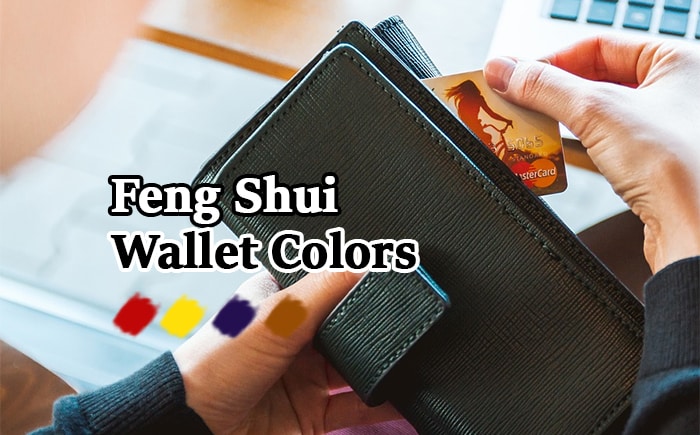
Color in Feng Shui sets tone and direction. The color of your wallet should align with how you want to handle money, not with trends.
Red is associated with activity and movement. It’s often chosen by people looking to increase income or create momentum, but it can also encourage spending if not paired with discipline.
Brown and gold tones support stability and long-term accumulation. These colors are commonly chosen by people focused on saving, consistency, and security.
Black and deep blue are linked to career focus and steady financial flow. They tend to suit people who earn through structured work or long-term projects.
Some prefer choosing a color based on their zodiac element, but this works best when it aligns with practical goals rather than personality alone.
Wallet Shape and Design
The structure of a wallet affects how easy it is to use, and that matters more than symbolism.
Wallets with simple, rectangular designs tend to support order and ease. They allow bills to lie flat and make it easier to see what you have at a glance.
Overly complex designs with too many zippers, folds, or compartments often lead to clutter. When money is difficult to access or constantly rearranged, it’s harder to stay aware of spending.
Choose a design that allows your currency, cards, and essentials to sit comfortably without pressure or overcrowding.
Everyday Habits That Make a Difference

What you do daily matters more than what the wallet looks like.
Use a wallet made from durable materials. Broken seams, damaged corners, or stuck zippers signal neglect. Investing in quality shows that you value what the wallet holds.
Keep cash neat and facing the same direction. This isn’t about rules. It’s about visibility and order. When money is easy to see and handle, decisions tend to be more deliberate.
Remove clutter regularly. Receipts, notes, and unnecessary cards create distraction. A wallet should hold money and tools for payment, not paperwork.
Optional Practices for Added Focus
Some people enjoy adding small symbolic practices, as long as they don’t replace real action.
A small mirror placed inside the wallet, facing the bills, is traditionally used to suggest expansion. If you use this, keep it discreet and clean.
Cinnamon has long been associated with prosperity in many cultures. A tiny pinch sealed in a pouch can serve as a sensory reminder to stay mindful of financial goals. The emphasis is on intention, not expectation.
Turning the Wallet Into a Financial Anchor
A Feng Shui wallet doesn’t create wealth on its own. What it does well is support awareness.
When your wallet is organized, functional, and chosen with care, it reinforces better habits. You spend with more thought. You track money more easily. You notice patterns sooner.
That’s where change actually happens.
This isn’t about luck or waiting for something external. It’s about aligning a small, everyday object with how you want to handle your finances long-term. When the wallet supports clarity instead of chaos, the rest tends to follow.
Read also: Feng Shui Money Corner in Living Room – Improve Your Finance By This Simple Trick