


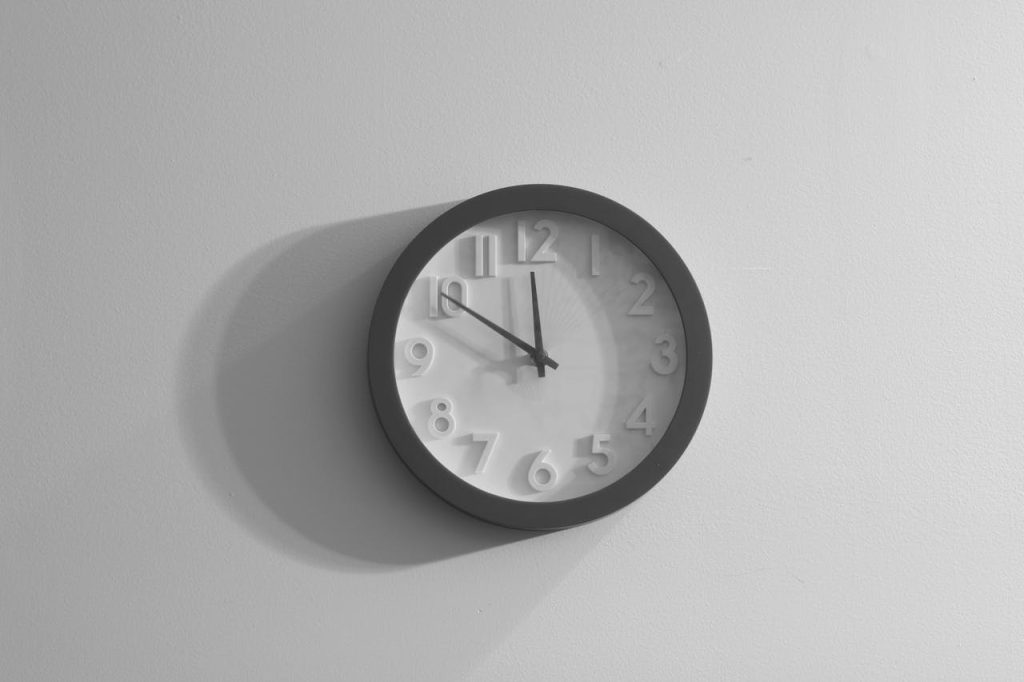
A wall clock seems like a small detail, but in Feng Shui it carries more meaning than most people expect. A clock represents time, rhythm, and movement. It reminds the home that life is constantly flowing forward. Because of that, clocks influence how energy moves through a space, especially over long periods of time.
The goal in Feng Shui isn’t to turn a clock into a “lucky charm.” It’s to place it where its constant motion supports the space instead of creating pressure, stress, or stagnation.
One Rule That Matters More Than Direction
Before talking about placement, there’s one rule that outweighs everything else: the clock must work properly.
A stopped or broken clock represents frozen time and stalled energy. In Feng Shui practice, this is considered far more disruptive than placing a working clock in a less-than-ideal direction.
If a clock doesn’t tick smoothly, keeps stopping, or shows the wrong time, fix it or remove it. A functioning clock is always better than a symbolic one.
How Feng Shui Looks at Clocks
Clocks introduce active energy into a space. They are not neutral objects.
Because of this:
- Too many clocks can create pressure or restlessness
- Loud or aggressive ticking can disturb calm areas
- Oversized clocks can dominate a room emotionally
In Feng Shui, clocks work best in active zones of the home rather than places meant for rest or intimacy.
Favorable Directions for a Wall Clock
These placements are based on the classical Bagua map, not modern exaggerations.
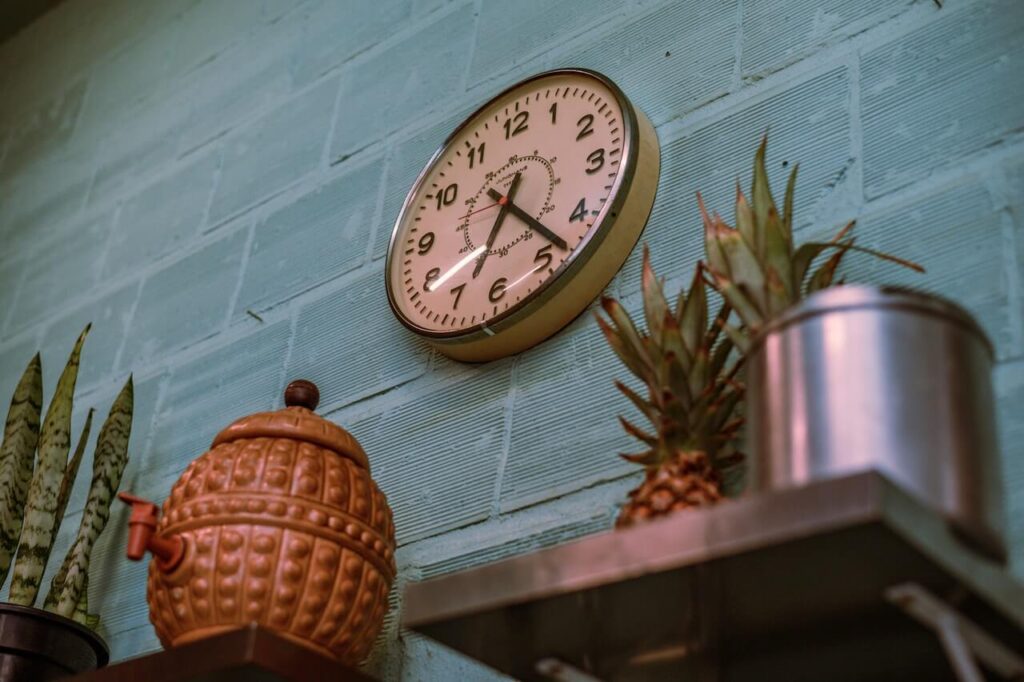
East – Health and Family
The East supports growth, routine, and daily rhythm. A wall clock here aligns well with the idea of steady movement and healthy structure.
Best choice:
- Wooden or simple clocks
- Natural or neutral colors
- Clean, readable design
This placement supports consistency rather than dramatic change.
Southeast – Growth and Resources
The Southeast is associated with development and expansion. A clock here works well if it feels calm and balanced, not flashy.
Avoid oversized or overly loud clocks in this area. The energy here benefits from steady movement, not pressure.
North – Career and Life Direction
The North relates to flow and direction. A clock placed here can support organization and awareness of time, especially in home offices or work areas.
Good choices:
- Simple round clocks
- Subdued colors
- Quiet mechanisms
This placement helps with structure, not ambition shortcuts.
West – Creativity and Children
The West supports expression, creativity, and play. A clock here works well in family rooms, creative spaces, or areas used by children.
Choose something light in feeling. Avoid clocks that feel strict, industrial, or overly formal in this zone.
Areas Where Clocks Are Best Avoided
Bedrooms
Bedrooms are meant for rest, not time pressure. A constantly ticking clock can create subconscious stress, even if you don’t notice it consciously.
If you keep a clock in the bedroom:
- Make sure it’s silent
- Keep it out of direct sight from the bed
- Avoid placing it above the headboard
Directly Facing the Front Door
A clock placed directly opposite the entrance can create a feeling of being rushed or watched as you come and go. Feng Shui associates this with feeling short on time or constantly late.
If you want a clock near the entrance, place it to the side rather than straight ahead.
Kitchens
Kitchens already carry strong activity energy. Adding a clock here can increase tension, especially around schedules and family dynamics. If needed, keep it small and unobtrusive.
Shape and Design: Keep It Simple
Despite what many articles claim, shape and color are secondary to placement and function.
General guidelines:
- Round or softly shaped clocks are easiest to live with
- Avoid sharp, aggressive designs
- Choose readability over decoration
A clock should support daily life, not demand attention.
Children’s Rooms
Clocks can help children develop a sense of routine, but they should feel friendly, not strict.
Choose:
- Clear numbers
- Calm colors
- Silent movement
Avoid placing clocks directly above the bed or desk.
Superstitions vs Practical Feng Shui
Claims that a clock alone will “guarantee wealth,” “fix relationships,” or “create fame” are not accurate Feng Shui. Clocks support rhythm and awareness. They don’t override layout, lifestyle, or personal choices. Feng Shui works best when it supports real life, not when it replaces it.
The Real Feng Shui Purpose of a Clock
A well-placed clock:
- Supports daily rhythm
- Encourages gentle forward movement
- Helps spaces feel organized rather than pressured
If a clock makes you feel anxious, rushed, or tense, that’s already useful feedback. Feng Shui always starts with how a space feels to the people living in it. When in doubt, choose calm over symbolism.
Read Also:
Feng Shui Money Corner: A Guide To Activating Your Fortune Corner
Best Spots To Put Your Cat’s Litter Box, According To Feng Shui